
The short answer
- The setting decides the job title, not the other way roundCarer, care assistant, domiciliary carer and personal assistant all describe work in someone's own home. The same person doing similar work in a hospital is a healthcare assistant.
- Nothing licenses any of the threeNo qualification is required by law to start as a carer, a healthcare assistant or a social care worker. What differs is how much training happens before you work unsupervised.
- How you are checked now depends less on who employs youSince 21 January 2026, a self-employed carer or a personal assistant hired directly can apply for their own enhanced DBS check through a DBS umbrella body, rather than needing an agency or platform to sponsor it.
- A carer and a healthcare assistant overlap, but are not the same jobOne works on daily life in a home, the other on clinical tasks under a nurse. The full comparison is worth reading before you choose between them.
DBS fees and rules, NHS pay and the National Living Wage on this page are checked against gov.uk, NHS Employers and Skills for Care, 6 September 2026.
The three settings
Where you work decides what you are called
Support worker is not one job. It is a description that gets attached to work in three quite different settings, and each setting has its own job titles, its own route in, and its own way of checking you before you start.
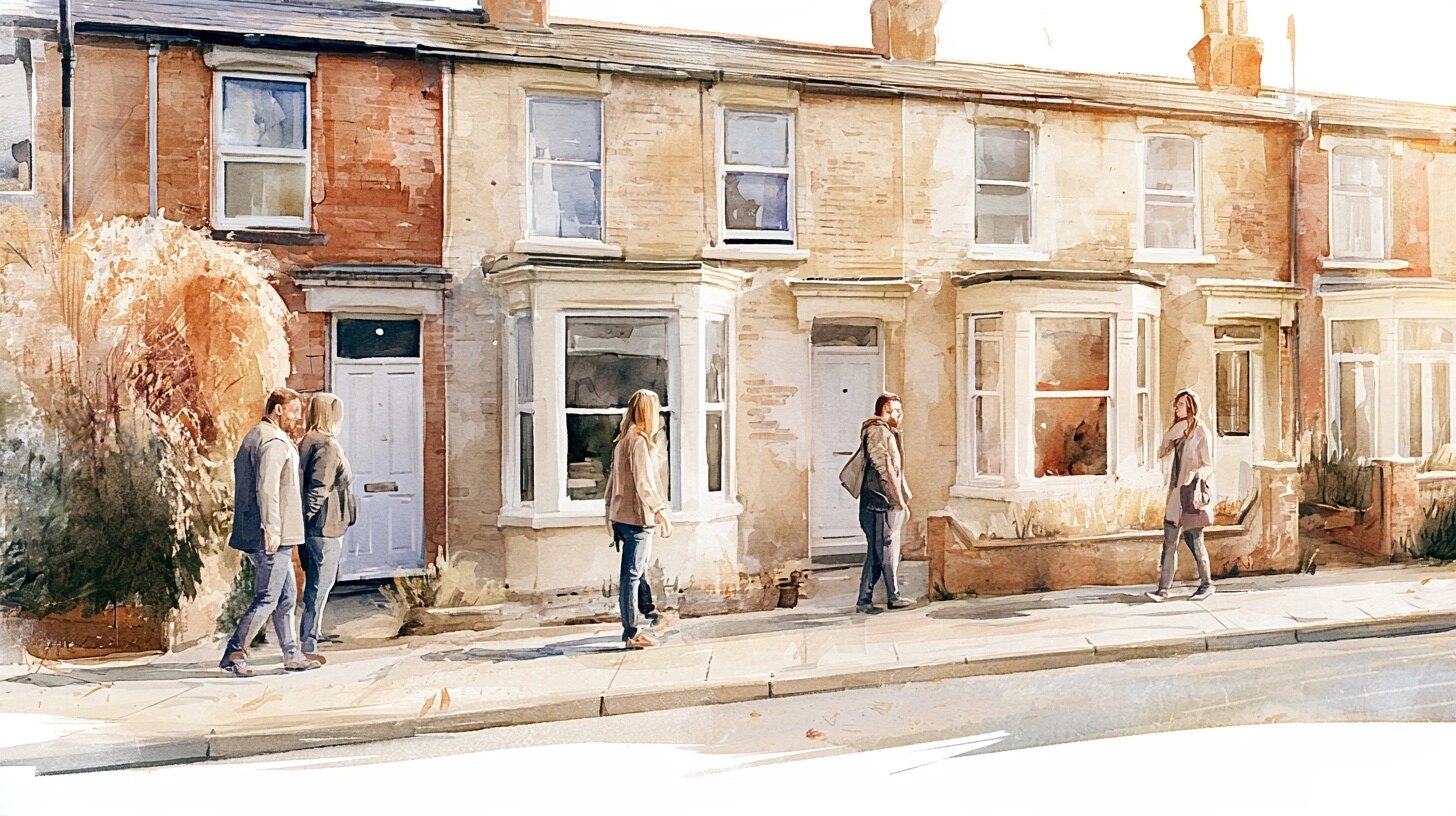
Domestic setting
In somebody's own home, helping one person live the life they choose rather than the one an illness or disability has left them with.
Usual route in A platform such as PrimeCarers, a home care agency, or direct employment by the person you support through a council direct payment.
Clinical setting
Inside a hospital ward, GP surgery or community nursing team, carrying out tasks a registered nurse or doctor has trained and signed you off to do.
Usual route in Employed directly by an NHS trust, a GP practice or a private hospital, which arranges your checks as your employer.
Communal setting
Working with a community, a care home or a local authority team, supporting a caseload of people rather than one person alone.
Usual route in Employed by a care home, a charity or a local council adult or children's social care team.
None of the three is a better job than the others, and none needs a qualification before you can apply. What changes between them is the relationship at the centre of the work: one person in their own home, a patient inside a clinical team, or a caseload of people supported by a wider service. Become a carer: the complete guide sets out the three routes into the domestic setting specifically, if that is the one you are weighing up.
In a home
Support worker in a domestic setting
This is the setting most people mean when they say carer. The work happens in one person's own home, built around what that person needs to keep living the way they choose, from getting up and dressed to eating well and staying in touch with people.

Carer, care worker or care assistant
Domiciliary carer
Personal assistant (PA)
Which title to use on a profile or CV
Good domestic care goes beyond the tasks on a list. It calls for the confidence to work alone, often for hours at a stretch with no colleague to check in with, and the flexibility to adjust to the person and the day in front of you rather than running the same routine regardless. It also means making sure the home is safe, and leaving the choices, what to wear, what to eat, how to spend the day, with the person you are supporting rather than deciding for them. Healthy living with a carer's help covers the diet and activity side of that in more depth. What is a home carer? goes further into what the role adds up to day to day, and how it differs from a single visit here and there.
In a clinical team
Support worker in a clinical setting
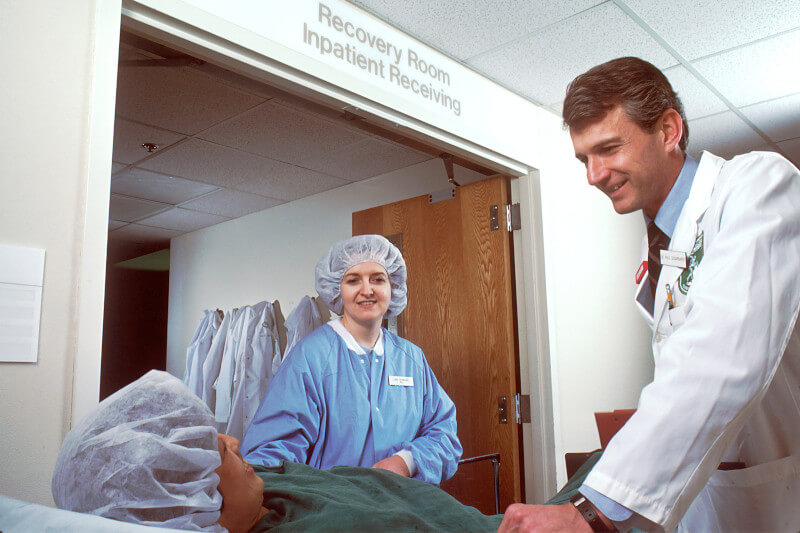
Inside a hospital, a GP surgery or a community nursing team, a support worker carries out tasks a nurse or another registered professional has trained and signed them off to do. The umbrella term the NHS uses is healthcare support worker, and it covers more than a dozen job titles.
Healthcare assistant
Maternity support worker
Occupational therapy support worker
Physiotherapy assistant
Speech and language therapy assistant
Dietetic assistant
The role most people picture first is the healthcare assistant, or HCA, and it is the one most often confused with a carer, since both involve washing, dressing and feeding somebody who needs help. What is the difference between a carer and a HCA? sets out where the two separate: an HCA works inside a clinical team on a fixed NHS pay band, while a carer's work is built around one person's home and, on a platform, their own rate.
In a communal setting
Support worker in a communal setting
Social care is the legal term for support delivered to a community rather than through one clinical team or one household. It splits broadly into three areas: support for adults, support for children and families, and the workforce that delivers both, and a support worker's day-to-day work looks different in each one.
| Who it supports | What the job involves | |
|---|---|---|
| Adult social care | Older people, people with a learning or physical disability or a mental illness, and people affected by substance misuse, homelessness or domestic abuse. | Personal care, protection from abuse or neglect, and support to live as independently as possible, in a care home, a day centre or someone's own home. |
| Children, young people and families | Children and young people who need protecting, who are fostered or adopted, or who have a learning or physical disability. | Family support, child protection casework, and placement, fostering or adoption support. |
| Workforce and training | The people doing the two jobs above. | Training, supervision and support for social care staff, rather than direct contact with someone using a service. |
Adult social care
- Who it supports
- Older people, people with a learning or physical disability or a mental illness, and people affected by substance misuse, homelessness or domestic abuse.
- What the job involves
- Personal care, protection from abuse or neglect, and support to live as independently as possible, in a care home, a day centre or someone's own home.
Children, young people and families
- Who it supports
- Children and young people who need protecting, who are fostered or adopted, or who have a learning or physical disability.
- What the job involves
- Family support, child protection casework, and placement, fostering or adoption support.
Workforce and training
- Who it supports
- The people doing the two jobs above.
- What the job involves
- Training, supervision and support for social care staff, rather than direct contact with someone using a service.
Adult social care is defined by the Care Act 2014's statutory guidance on gov.uk; children's social care sits under separate legislation, the Children Act 1989 and the Children and Families Act 2014. Workforce and training is not a statutory category, it groups the roles that support the two above. Checked 6 September 2026.

A social care worker in this setting is usually employed by a care home, a charity or a council team, working with several people rather than one. Skills for Care put the size of the whole adult social care workforce in England at 1.71 million posts in 2024/25, filled and vacant together, which gives a sense of how much of this work sits outside any one person's home. How care homes work covers the residential side of this setting in more depth, and addressing the underpayment of carers looks at why pay across the sector sits close to the legal floor.
Skills every setting expects
What a family or an employer checks for, whichever title is on the job
Nothing licenses this work in any of the three settings, so no certificate proves you can do it. What a family or an employer checks for instead is closer to this list.
What good support work rests on
0 of 9 ticked
People skills
Practical and safety skills
Professional habits
None of this is regulated the way a nurse's registration is regulated. Do you need a licence to be a carer? covers what is and is not required by law across the domestic setting, and training for private carers covers what is worth doing early even though nothing compels you to.
Pay and checks
How you're paid, and the checks that come first
Pay follows the setting, and so does who arranges the checks a family or employer expects to see before you start.
| How you're paid | Who arranges your checks | |
|---|---|---|
| Domestic (platform, agency or direct payment) | Self-employed and set your own rate on a platform such as PrimeCarers, typically £18 to £25 an hour with our fee included, or a fixed wage if an agency employs you. | You, through a DBS umbrella body, if you are self-employed or a personal assistant; the agency, if it employs you. |
| Clinical (NHS or private hospital) | A fixed salary, Agenda for Change Band 2 for a healthcare assistant in 2026/27, £12.92 an hour. | The NHS trust, GP practice or hospital that employs you, as part of hiring you. |
| Communal (care home, charity or council) | A fixed hourly wage, close to the National Living Wage of £12.71 for most roles. | Your employer, as part of hiring you. |
Domestic (platform, agency or direct payment)
- How you're paid
- Self-employed and set your own rate on a platform such as PrimeCarers, typically £18 to £25 an hour with our fee included, or a fixed wage if an agency employs you.
- Who arranges your checks
- You, through a DBS umbrella body, if you are self-employed or a personal assistant; the agency, if it employs you.
Clinical (NHS or private hospital)
- How you're paid
- A fixed salary, Agenda for Change Band 2 for a healthcare assistant in 2026/27, £12.92 an hour.
- Who arranges your checks
- The NHS trust, GP practice or hospital that employs you, as part of hiring you.
Communal (care home, charity or council)
- How you're paid
- A fixed hourly wage, close to the National Living Wage of £12.71 for most roles.
- Who arranges your checks
- Your employer, as part of hiring you.
Skills for Care's most recent national pay analysis put median independent-sector care worker pay at £12.6 an hour in December 2025, close to the National Living Wage at the time; the National Living Wage itself rose to £12.71 from April 2026. Checked 6 September 2026.
Insurance is a separate question from any of these checks, and worth asking about before you settle on how to work. In the domestic setting, registering with a platform such as PrimeCarers gets you cover for each visit when you do not already have your own, so an accident while you are working does not fall on you alone. An agency arranges the same kind of cover as your employer, since UK law requires an employer to hold employers' liability insurance for staff it takes on directly. Going fully independent means arranging your own public liability insurance, because nobody else will. The clinical and communal settings work the same way as an agency: the NHS trust, care home, charity or council that employs you carries the insurance, as part of employing you.
Whichever setting you choose, if you are self-employed the tax rules are the same: register for Self Assessment with HMRC by 5 October in the year after you first earn self-employed income. How to become a self-employed carer? goes further into what going fully independent in the domestic setting involves, and what carers earn on PrimeCarers breaks down what carers on the platform earn by type of care, and what our commission takes out of it.
How to start
From this page to your first booking, whichever setting fits
The first two steps cost nothing beyond your time, whichever of the three settings you choose.
- 1
Decide which setting fits you
TodayA close, one-to-one relationship in someone's home, a clinical team with structured training, or a wider social care service. The comparison above covers what changes between them. - 2
Work out which checks you need
This weekA basic DBS check if you are working entirely alone with low-risk tasks, or the enhanced check most families and every employer expect for personal care, arranged through a platform, an employer, or your own umbrella body application. - 3
Apply or register
FreeRegister a profile if you are going the domestic route through a platform, or apply directly to an NHS trust, care home, charity or council for a clinical or communal role. - 4
Keep learning once you start
OngoingThe Care Certificate and a Level 2 or 3 diploma are worth adding once you are working, whichever setting you chose, even though neither is required to begin.
Questions
Questions about the different types of support worker
Support worker is a general title for someone who helps another person with daily living, personal care or emotional support, used across three settings that work quite differently: someone's own home, a clinical team such as a hospital ward, and a communal setting such as a care home or council team. The setting decides the more specific job title, the training and how you are paid.
In a domestic setting, yes. Carer, care worker, care assistant and support worker are used fairly interchangeably for someone helping a person in their own home. "Support worker" is also used more widely for roles working with disability, mental health or social care services, so check the setting in a job advert rather than relying on the title alone.
A carer supports someone with daily living tasks, usually in their own home or a care home. A healthcare assistant carries out clinical tasks such as blood pressure checks and wound care in a hospital, GP surgery or community nursing team, always under a nurse or doctor's direction. What is the Difference between a Carer and a HCA? sets out the full comparison.
No, not in any of the three settings. The Care Certificate and a Level 2 or 3 Diploma in Adult Care are worth having and many employers expect them once you are in post, but neither is a legal requirement to start as a carer, a healthcare assistant or a social care worker. Training for private carers covers what is worth doing early in the domestic setting.
A personal assistant (PA) is employed directly by the person who needs support, usually paid for through a council direct payment or a personal health budget rather than an agency or a platform fee. Around 70,000 people in England employ their own PA this way. The family becomes your employer, which means they arrange your pay and, since 21 January 2026, you can apply for your own enhanced DBS check through a DBS umbrella body rather than needing them to sponsor it.
Yes. Experience in one setting counts towards the others, and none of the three locks you in. A carer moving into a healthcare assistant role will need to complete NHS induction and work towards the Care Certificate if they have not already; the reverse move usually needs less formal retraining, since the domestic setting has no fixed entry qualification.
Identity, confirmation of your right to work in the UK, and a DBS check are expected everywhere. A basic check costs £20.00 and shows only unspent convictions. Personal care, whether in a home, a hospital or a care home, normally calls for the fuller enhanced check, £41.00, arranged by your employer, your platform, or by you directly through a DBS umbrella body if you are self-employed or a personal assistant.
It depends on how you are employed as much as which setting you choose. A healthcare assistant is paid a fixed NHS salary, Agenda for Change Band 2, £12.92 an hour. A care home, charity or council role typically pays close to the National Living Wage, £12.71 an hour from April 2026. A self-employed carer on PrimeCarers sets their own rate, typically £18 to £25 an hour with our fee included. What carers earn on PrimeCarers breaks this down further for the domestic setting.