
The short answer
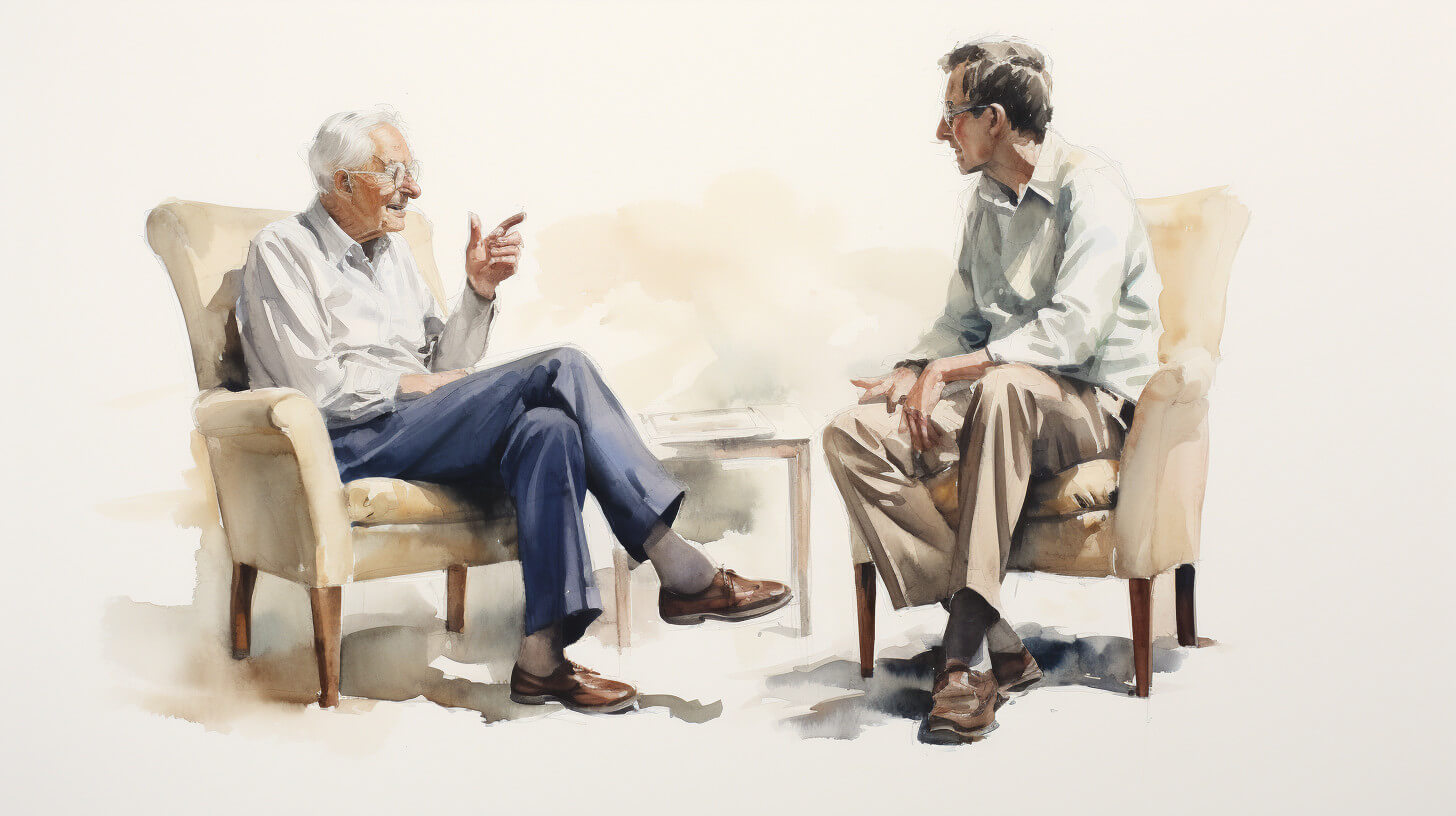
- Company is part of the visit, not an extraA carer talks with your relative and sits with them, rather than only working through a list of jobs.
- An extra pair of eyes on the everyday hazardsLoose rugs, poor lighting and trailing cables build up around a fall. A carer in the home regularly notices them.
- One carer, one person, in their own homePersonal care at home is built around your relative rather than a shared schedule, and family can visit whenever suits.
- Every carer is checked before they appear in searchIdentity, right to work and an accepted criminal-record check (Enhanced DBS issued within the last 2 years, DBS Update Service, Scottish PVG or Access NI), plus an online interview.
Carers on PrimeCarers charge £18 to £25 an hour with our fee included, against £28 to £35 an hour through an agency, and a visit is usually an hour or more, or 30 or 45 minutes with a carer who offers shorter visits at their own half-hour rate.
What changes at home
What changes at home once a personal carer starts visiting
It helps to be specific about this rather than general, because the decision to bring someone in is usually made against a handful of things that have started to feel harder. These are the ones families most often set out to fix, and what a carer visit does about each one.
Right now
Your relative spends long stretches of the day alone, with the television for company.
With a personal carer
A carer sits with them and talks with them during the visit, not just works through a list of jobs.
Right now
Shopping, laundry and the housework are piling up because getting out, or standing for long, has become hard.
With a personal carer
Shopping, cooking, laundry and light cleaning can be booked as part of a visit, done alongside your relative rather than for them.
Right now
Tablets are sometimes missed, doubled up, or nobody is sure which ones were taken.
With a personal carer
How much help is needed with medication, from a reminder to physically helping, is written into the plan before the first visit.
Right now
A loose rug, a dim landing light or a trailing cable has been meaning to get sorted for months.
With a personal carer
A carer in the home regularly is another pair of eyes on the everyday hazards that build up around a fall.
Right now
One family member is doing all of it, and it is starting to affect their own sleep, work or health.
With a personal carer
Visits are booked for whatever cover is needed, so the care does not rest on one person indefinitely.
Right now
Your relative is worried that accepting help means losing their independence.
With a personal carer
A carer offers help with what has become hard and leaves your relative to do what they can still manage themselves.
Two of these deserve more than a line: the fuller range of tasks personal care covers day to day, set out in what is personal care?, and hobbies and getting out, which healthy living with a carer's help covers, from a regular walk to keeping up a hobby that has slipped. If your relative has a disability rather than an age-related need, the role of a personal carer for people with disabilities covers how the same visits adapt to that.
Safety at home
How a personal carer can help cut the risk of a fall
About a third of people aged 65 and over fall at least once a year, and the risk keeps rising with age. Most falls happen at home, and most of the things that cause them are ordinary and fixable once somebody is looking for them regularly.
What a carer keeps an eye on during a visit
0 of 6 ticked
Around the home
About your relative
None of this replaces a proper assessment. NICE's guideline on falls prevention recommends a home hazard assessment, ideally by an occupational therapist, for anyone at higher risk, and a GP can refer for one. A carer's regular presence sits alongside that rather than instead of it: a familiar pair of eyes who visits several times a week is more likely to notice a small change than a family member who sees your relative from a distance, or sees them so often that a slow decline is hard to spot.
Company and wellbeing
Why the company matters as much as the tasks
A visit that is only a checklist of jobs done well still leaves your relative on their own once the carer has gone. What tends to make the biggest difference to how a visit feels is the time spent talking, not just the time spent working.
4.3 million
people aged 65 and over in the UK were living alone in 2024, up from 3.5 million a decade earlier (ONS). Living alone does not always mean lonely, but for many people a carer's visit is the main conversation of the day as well as a set of tasks done.
Office for National Statistics, Families and households in the UK, 2024.
A carer who knows your relative can also be the one who notices a mood has dipped, or who suggests picking a hobby back up, whether that is a garden that has been neglected, a walk that stopped happening, or an instrument that has gone quiet. Companionship care is worth reading if company and getting out are the main thing missing, rather than help with personal tasks, since some carers focus mainly on that.
A care home, or personal care at home
How personal care at home compares with a care home place
Personal care at visits and a care home place are both ways of getting support with daily life, but they are built very differently, and it is worth being clear about how before choosing between them.
| Personal care at home | A care home place | |
|---|---|---|
| Who sets the daily routine | Your relative, built around their own day | Largely the schedule the home runs for all its residents and staff |
| Environment | Their own home, familiar surroundings and belongings | A shared building, usually with their own room |
| Attention during a visit | One carer with one person for the length of the visit | Staff time shared across a number of residents |
| Family visiting | Whenever suits, in your relative’s own home | Agreed with the home, though most are flexible about it |
| What it costs | £18 to £25 an hour, only for the visits booked, with our fee included | £1100 to £1600 a week, covering accommodation, meals and round-the-clock staff |
Who sets the daily routine
- Personal care at home
- Your relative, built around their own day
- A care home place
- Largely the schedule the home runs for all its residents and staff
Environment
- Personal care at home
- Their own home, familiar surroundings and belongings
- A care home place
- A shared building, usually with their own room
Attention during a visit
- Personal care at home
- One carer with one person for the length of the visit
- A care home place
- Staff time shared across a number of residents
Family visiting
- Personal care at home
- Whenever suits, in your relative’s own home
- A care home place
- Agreed with the home, though most are flexible about it
What it costs
- Personal care at home
- £18 to £25 an hour, only for the visits booked, with our fee included
- A care home place
- £1100 to £1600 a week, covering accommodation, meals and round-the-clock staff
The cost lines are not a like-for-like comparison: personal care is booked by the hour, and a care home place covers everything, all the time. Weigh it against how many hours of help your relative needs.
Working out which side of that comparison fits starts with the hours, not the label. How many visits a week does my parent need? turns the tasks your relative needs help with into a number of hours and a weekly cost, and care at home or a care home sets out the fuller comparison between the two.
Before a carer starts
What is checked before a carer appears in search, and what is not
PrimeCarers is an introductory service: it helps you find and vet a self-employed carer, rather than being a care agency that employs or manages carers, and it is not CQC-registered. What that means in practice is worth being clear about before you book.
Checked before a carer appears in search
- A carer's identity and right to work in the UK
- An accepted criminal-record check (Enhanced DBS issued within the last 2 years, DBS Update Service, Scottish PVG or Access NI)
- An online interview with every carer
Not checked by PrimeCarers
- A carer's qualifications, training courses or references, which are for you to ask the carer about rather than being checked by us
- What a carer does day to day once a booking is made, since we introduce carers rather than employing or managing them
- A carer's driving licence or car insurance, worth asking about directly if lifts are part of the job
Beyond those checks, every carer has their own profile, and it is worth reading it yourself rather than relying on the checks above to cover everything. That is where a carer lists their experience, any training they have done and references from past clients, none of which PrimeCarers verifies. If a specific skill matters, such as experience with a particular condition or a language your relative speaks, ask about it directly in conversation as well as looking for it on the profile. How we vet every carer sets out the checks in full, and carer car insurance covers what to check if driving is part of what you need.
Turning this into a booking
How to turn this into the first visit
Reading about the benefits is the easy part. Turning it into a visit that fits your relative takes a few steps, and the first two do not cost anything.
If you are still weighing up whether the time is right, evaluating the need for a personal carer sets out the signs to look for.
- 1
Work out which part of the day needs help first
TodayMost families start with a single visit, usually the morning or a lunchtime call, and add others once they can see how it goes. - 2
Search carers near you
FreeEvery profile shows a carer's rate, experience and availability, and every carer has been through the checks above before they appear. - 3
Talk to two or three carers
This weekDescribe what you need help with and ask how they would approach the parts you are most concerned about. - 4
Book the first visit, then adjust
Week oneStart with the visit you are sure of and add others once the carer has seen how the day goes. There is no fixed package to renegotiate.
Questions
Questions families ask about hiring a personal carer
Personal care covers washing, dressing, toileting and help at mealtimes, alongside household jobs such as shopping, laundry and light cleaning, company through the day, and medication support agreed in the care plan. What is personal care? sets out the fuller range.
No carer, or anything else, can guarantee that. What a regular visit does is add another pair of eyes on the everyday hazards that build up around a fall, such as poor lighting, loose rugs or a change in balance, alongside a proper home hazard assessment if your relative is at higher risk.
It depends on how many hours of help your relative needs. Carers on PrimeCarers charge £18 to £25 an hour, only for the visits booked, while a care home place is £1100 to £1600 a week covering everything, all the time. A few visits a week at home is usually the cheaper option; needing support around the clock changes that comparison. Care at home or a care home sets the two out in full.
You choose which carer to book, and most families ask the same one back for every visit rather than seeing someone different each time, since a familiar face notices small changes and your relative is more comfortable with them. Building a good relationship with your carer covers how to make that work well.
Every carer has their identity and right to work checked, an accepted criminal-record check (Enhanced DBS issued within the last 2 years, DBS Update Service, Scottish PVG or Access NI), and an online interview before they appear in a search. Qualifications, training and references are not checked by us, so ask the carer about them and for referees you can call. How we vet every carer has the full list.
Often, yes. If you have been covering mornings, evenings or the day-to-day jobs yourself, handing some of that to a carer can free up time to spend with your relative as a daughter or son again, rather than only as an unpaid carer, and it means the care does not depend entirely on you being available.
Starting with a single, short visit rather than a full day, and being there yourself for the first one or two, can make the idea feel smaller. Talking to your loved ones about hiring a personal carer covers how to raise it in the first place.