
Direct paymentsDevon
Direct payments in Devon
If the council has agreed to pay towards care at home, you can take the money as a direct payment and choose who provides the care. Devon County Council says a direct payment can pay a self-employed carer, with some checks first. Below is what the council publishes about its rates and rules, and what an hour of care costs near you.



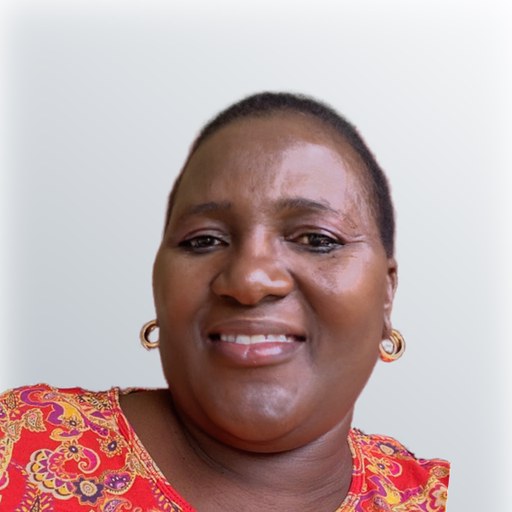
42 self-employed carers within about 45 minutes of Devon
What the council pays
Direct payment rates in Devon
Devon County Council does not publish its direct payment rates anywhere we could find. Your budget is set in your support plan, from the cost of meeting your eligible needs less anything you are assessed to pay yourself. Ask the council which hourly rate it used, because that decides how many hours the budget buys.
Choosing your carer
Paying a self-employed carer in Devon
Devon County Council allows a direct payment to pay a self-employed carer, with conditions. A direct payment can be used to pay a self-employed personal assistant, but it is the responsibility of the person receiving the direct payment to make sure the personal assistant has a unique taxpayer reference number (UTR) that verifies their self-employed status.
“Where a direct payment recipient uses a self-employed PA, it is their responsibility to ensure the PA has a unique taxpayer reference number (UTR) that verifies their self-employed status.”
Councils tend to ask for the same few things before a direct payment pays a self-employed carer:
- the carer's employment status for tax, which HMRC's Check Employment Status for Tax tool on gov.uk works out in a few minutes
- proof that the carer is insured
- a DBS certificate
- an invoice for the hours worked, which becomes your record of how the money was spent
How direct payments work covers asking for one, what the money can buy and the records councils want back, and self-employed carer or employee? explains the tax question.
A direct payment is one of several ways to pay for care. Funding home care in Devon sets out the others, from Attendance Allowance to NHS Continuing Healthcare.
The council's arrangements
How direct payments are run in Devon
What the council publishes about paying the money, getting help and getting in touch. Each card links to the page we checked it against.
How the money is paid: Prepaid card
If you choose to take a direct payment, it will normally be paid to you using the Devon Card, a pre-loaded card that works in a similar way to a bank debit card but does not offer credit or an overdraft.
Provider: Devon Card
How the money is paid: Managed account
A financial administration service can manage your payroll and pay bills to other service providers and agencies, and the council will fund payroll and legal services.
Provider: Disability Focus
How the money is paid: Separate bank account
Someone who prefers to manage the money themselves can ask about alternative arrangements, which come with conditions for recording and reporting how the money is spent.
Help with running it
The council works alongside a local organisation called Disability Focus, which can provide financial administration services for people managing a direct payment.
Where the council points you to find a personal assistant
Worth knowing
The council may pay personal assistants for up to 28 days at the minimum hours outlined in their employment contract.
Worth knowing
Money building up unused on a Devon Card is automatically taken back every eight weeks under a surplus unload process.
Worth knowing
If care arrangements are still not in place after three months, the council can arrange the care itself and withdraw the offer of a direct payment.
Who is available
Self-employed carers in Devon
42 carers are based within about 45 minutes of Devon. You can see their rates and experience, and message them, before committing to anything.


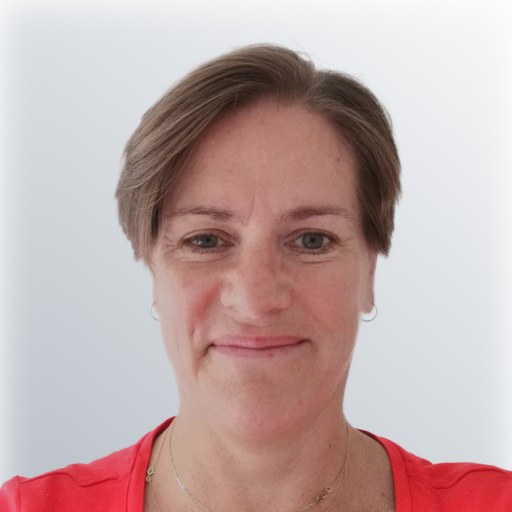
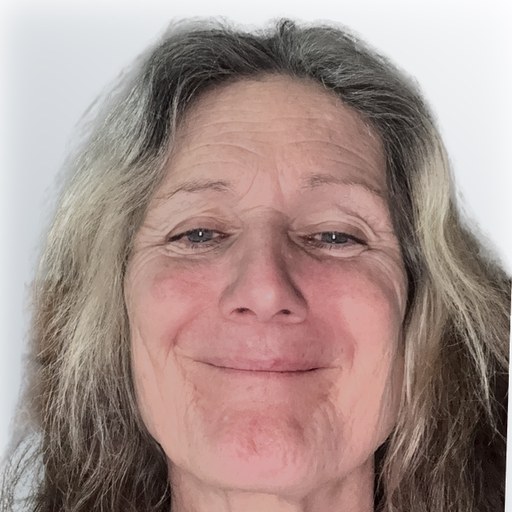
42 private carers are based within about 45 minutes of Devon
Filter by what they charge, who drives, who does nights, and who speaks your language, then message the ones you like. Free, and nothing is booked until you say so.
See private carers for DevonStep by step
Using a direct payment for a carer you choose
- Get the assessment and the support plan. The council assesses the care needed and works out the budget. Say at this stage that you want a direct payment and would like to choose your own carer.
- Check what the council allows. Ask the direct payments team whether it will pay a self-employed carer and what it needs to see from them.
- Find carers and talk to a few. Search carers near you, compare rates, experience and reviews, and message your shortlist. None of that costs anything.
- Agree the hours and rate in writing. Match them to the support plan, and keep within the budget once bank holidays are allowed for.
- Keep the records. Invoices and statements are what the council looks at when it reviews how the direct payment is being used.
Questions
Questions about direct payments in Devon
Yes. A direct payment can be used to pay a self-employed personal assistant, but it is the responsibility of the person receiving the direct payment to make sure the personal assistant has a unique taxpayer reference number (UTR) that verifies their self-employed status. The checks a council asks for are usually the carer's employment status for tax, their insurance and their DBS certificate. Carers on PrimeCarers are self-employed, hold an enhanced DBS and are insured while they work, and they invoice for the hours worked.
We could not find a rate that Devon County Council publishes. The amount is set in your support plan, worked out from the cost of meeting your eligible needs, less anything the financial assessment says you pay yourself. Ask the council how it calculated the hourly figure, because that decides how many hours the budget buys.
It depends on the rate the council used. Carers near you typically charge £20.00 an hour. Divide your weekly budget by that to see the hours it buys, and remember that bank holidays are charged at one and a half times the usual rate.
In England a direct payment cannot normally pay the person’s husband, wife or partner, or a close relative who lives in the same household, unless the council considers it necessary. That is the direct payments regulations rather than this council's own rule, so ask the direct payments team how it applies it. Can my mum pay me to care for her? covers the other routes.
Only if you employ somebody. Paying a self-employed carer or an agency does not make anyone an employer. Taking on a personal assistant does, which brings payroll, holiday pay, sick pay, pension enrolment and employer's liability insurance. HMRC's Check Employment Status for Tax tool on gov.uk tells you which applies.
Devon County Council's direct payments team on 0345 1551 007. If you do not have a social worker or care assessment yet, start with a needs assessment from adult social care.
Direct payments in nearby council areas
- Direct payments in Torbay
- Direct payments in Plymouth
- Direct payments in Somerset
- Direct payments in the Vale of Glamorgan
- Direct payments in Bridgend
- Direct payments in North Somerset
If the care needed is mainly about health, the NHS may pay for all of it through Continuing Healthcare, decided by the NHS rather than the council. In Devon that is NHS Devon.
Council details were read from Devon County Council's published pages and checked against them on 17 September 2026. Councils change their rates each April, so check the linked page before relying on a figure. Carer rates are what carers near you advertise, read live.
Find a carer in Devon
See self-employed carers near you with their hourly rates, experience and reviews, and talk to the ones you like for free. Check with the council what your direct payment can pay for before you book.