
The short answer
- There are indoor places in every regionEach region below lists the museums, galleries and cathedrals that confirm the most about access, and links to the county pages with the rest.
- Look for a toilet and a café firstFewer than a third of the indoor places we checked confirm both in writing. Where a place says nothing, ring and ask before you go.
- Ask about lifts and seatsOlder buildings may have a lift to some floors only. Find out which rooms your parent can reach without stairs and where they can sit down.
- Keep the visit shortMost of the indoor places in our research suggest an hour or two. Plan for that, and treat anything more as a bonus.
Access facts and whether a place is free come from each place's own website or its AccessAble guide, when the places were researched in September 2026. Opening times, charges and lifts change, so check with the place before a long journey.
Indoor places by region
Museums, galleries and cathedrals to visit, region by region
Find the region your parent lives in. Under each one are the indoor places that confirm the most about access, followed by every county with indoor places, so you can open the full list for the county nearest to you.
This page is part of our guide to days out for older people, and it is written for the days when a garden or a seafront is out of the question: rain, wind, cold, a short winter afternoon, or a parent who cannot be outside for long. Outings like these are part of what companionship care can include.
Of the 1,530 places we checked across the UK, 455 are museums, galleries or cathedrals: 307 museums, 79 galleries and 69 cathedrals, spread across 172 counties. We have left out castles and stately homes, because a visit to one usually means walking outside between buildings. Open-air museums, sculpture parks and battlefield sites are not picked out below, and some museums have outdoor areas or separate buildings, so check the county page before a wet day.
A place was only listed if it sat inside its county and its own website loaded and named it. Its access facts were kept only where the place's own access page, or its AccessAble guide, stated them in writing. The places shown for each region are the indoor ones that confirm the most of five things: an accessible toilet, a café, step-free access, Blue Badge parking and wheelchairs to borrow. A toilet and a café count for more than the rest, because those are the two things that decide whether a wet day indoors is comfortable. No more than two places come from any one county.
London
23 of 79 indoor places confirm a toilet and a café

National Gallery, Westminster
Photo: Diego Delso, CC BY-SA 4.0, via Wikimedia Commons
National Gallery
Gallery · Westminster, London · allow half a day · free to enter
- Accessible toilet
- Café
- Step-free
- Blue Badge parking
- Wheelchairs to borrow
National Maritime Museum
Museum · Greenwich, London · allow half a day · free to enter
- Accessible toilet
- Café
- Step-free
- Blue Badge parking
- Wheelchairs to borrow
National Portrait Gallery
Gallery · Charing Cross, Westminster · allow an hour or two · free to enter
- Accessible toilet
- Café
- Step-free
- Blue Badge parking
- Wheelchairs to borrow
The British Museum
Museum · Bloomsbury, Camden · allow half a day · free to enter
- Accessible toilet
- Café
- Step-free
- Blue Badge parking
- Wheelchairs to borrow
National Army Museum
Museum · Chelsea, Kensington and Chelsea · allow an hour or two · free to enter
- Accessible toilet
- Café
- Step-free
- Wheelchairs to borrow
Indoor places by county
- Barking and Dagenham1
- Bexley1
- Brent1
- Bromley2
- Camden6
- Croydon1
- Enfield1
- Greenwich4
- Hackney2
- Hammersmith and Fulham1
- Haringey1
- Harrow4
- Hillingdon1
- Hounslow4
- Islington6
- Kensington and Chelsea6
- Kingston upon Thames2
- Lambeth3
- Lewisham2
- London5
- Merton1
- Newham1
- Redbridge1
- Richmond upon Thames1
- Southwark6
- Sutton2
- Tower Hamlets3
- Waltham Forest3
- Westminster7
South East
16 of 45 indoor places confirm a toilet and a café
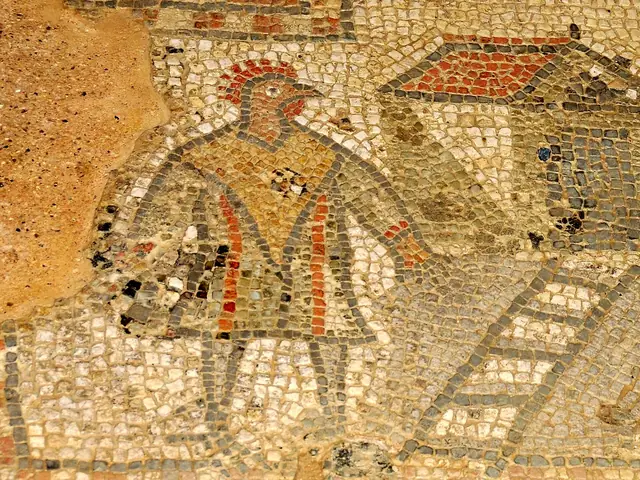
Brading Roman Villa, Brading
Photo: Nilfanion derivative work: Pasicles (talk), CC BY-SA 3.0, via Wikimedia Commons
Brading Roman Villa
Museum · Brading, Isle of Wight · allow an hour or two
- Accessible toilet
- Café
- Step-free
- Blue Badge parking
- Wheelchairs to borrow
Hastings Contemporary
Gallery · Hastings, East Sussex · allow an hour or two
- Accessible toilet
- Café
- Step-free
- Blue Badge parking
- Wheelchairs to borrow
Brooklands Museum
Museum · Weybridge, Surrey · allow half a day
- Accessible toilet
- Café
- Partly step-free
- Blue Badge parking
- Wheelchairs to borrow
Museum of English Rural Life
Museum · Reading, Berkshire · allow an hour or two · free to enter
- Accessible toilet
- Café
- Step-free
- Blue Badge parking
SeaCity Museum
Museum · City Centre, Southampton · allow an hour or two
- Accessible toilet
- Café
- Step-free
- Wheelchairs to borrow
Indoor places by county
South West
17 of 41 indoor places confirm a toilet and a café
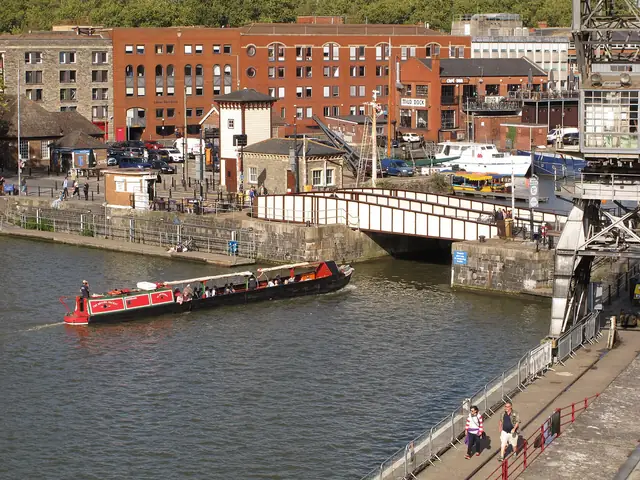
M Shed, Bristol
Photo: David Hawgood, CC BY-SA 2.0, via Wikimedia Commons
M Shed
Museum · Bristol, Bristol · allow an hour or two · free to enter
- Accessible toilet
- Café
- Step-free
- Blue Badge parking
- Wheelchairs to borrow
The Tank Museum
Museum · Wareham, Dorset · allow half a day
- Accessible toilet
- Café
- Step-free
- Blue Badge parking
- Wheelchairs to borrow
Aerospace Bristol
Museum · Filton, South Gloucestershire · allow half a day
- Accessible toilet
- Café
- Step-free
- Blue Badge parking
SS Great Britain at Bristol Dockyards
Museum · Bristol, Bristol · allow half a day
- Accessible toilet
- Café
- Partly step-free
- Blue Badge parking
- Wheelchairs to borrow
STEAM Museum of the Great Western Railway
Museum · Swindon, Swindon · allow half a day
- Accessible toilet
- Café
- Step-free
- Wheelchairs to borrow
Indoor places by county
East of England
9 of 23 indoor places confirm a toilet and a café
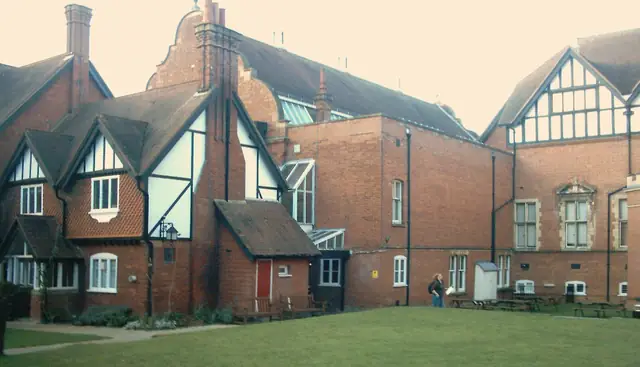
Natural History Museum at Tring, Tring
Photo: S Marshall, CC BY-SA 3.0, via Wikimedia Commons
Natural History Museum at Tring
Museum · Tring, Hertfordshire · allow an hour or two · free to enter
- Accessible toilet
- Café
- Step-free
- Wheelchairs to borrow
Norwich Cathedral
Cathedral · Norwich, Norfolk · allow an hour or two · free to enter
- Accessible toilet
- Café
- Partly step-free
- Blue Badge parking
- Wheelchairs to borrow
The Fitzwilliam Museum
Museum · Cambridge, Cambridgeshire · allow half a day · free to enter
- Accessible toilet
- Café
- Step-free
- Blue Badge parking
Gainsborough's House
Gallery · Sudbury, Suffolk · allow an hour or two
- Accessible toilet
- Café
- Partly step-free
- Wheelchairs to borrow
Shuttleworth and the Swiss Garden
Museum · Biggleswade, Bedfordshire · allow half a day
- Accessible toilet
- Café
- Partly step-free
- Blue Badge parking
Indoor places by county
East Midlands
6 of 24 indoor places confirm a toilet and a café
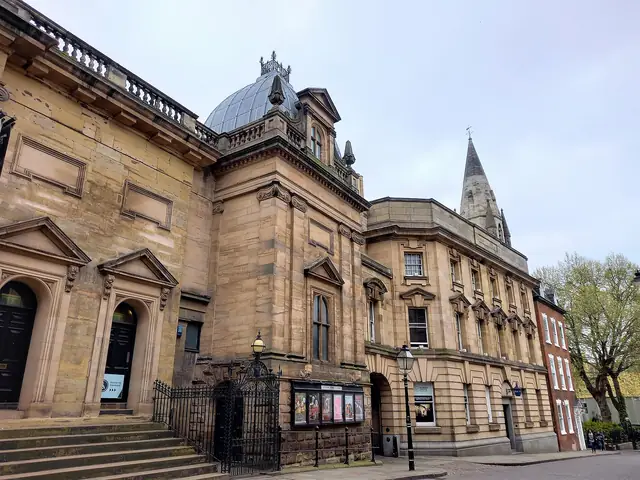
National Justice Museum, Lace Market
Photo: It's No Game, CC BY 2.0, via Wikimedia Commons
National Justice Museum
Museum · Lace Market, Nottingham · allow an hour or two
- Accessible toilet
- Café
- Partly step-free
- Blue Badge parking
78 Derngate
Museum · Northampton, Northamptonshire · allow an hour or two
- Accessible toilet
- Café
- Partly step-free
Lincoln Cathedral
Cathedral · Lincoln, Lincolnshire · allow half a day
- Accessible toilet
- Café
- Partly step-free
National Space Centre
Museum · Belgrave, Leicester · allow half a day
- Accessible toilet
- Café
- Blue Badge parking
Derby Cathedral
Cathedral · City Centre, Derby · allow an hour or two · free to enter
- Accessible toilet
- Partly step-free
- Blue Badge parking
Indoor places by county
West Midlands
4 of 25 indoor places confirm a toilet and a café
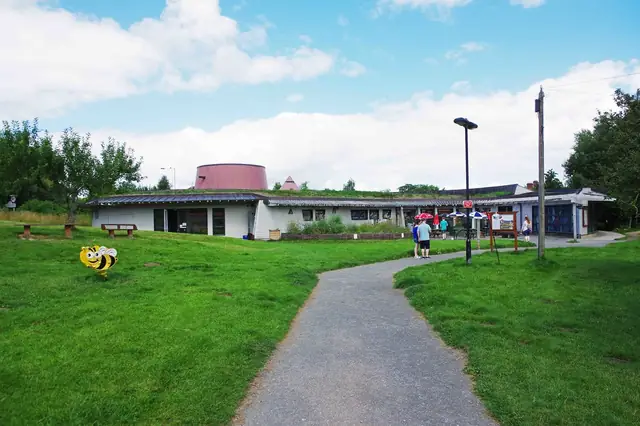
Shropshire Hills Discovery Centre, Craven Arms
Photo: P L Chadwick, CC BY-SA 2.0, via Wikimedia Commons
Shropshire Hills Discovery Centre
Museum · Craven Arms, Shropshire · allow an hour or two · free to enter
- Accessible toilet
- Café
- Step-free
- Blue Badge parking
Hereford Cathedral and the Mappa Mundi
Cathedral · Hereford, Herefordshire · allow an hour or two
- Accessible toilet
- Café
- Partly step-free
- Wheelchairs to borrow
Middleport Pottery
Museum · Burslem, Stoke-on-Trent · allow half a day
- Accessible toilet
- Café
- Partly step-free
- Blue Badge parking
Herbert Art Gallery and Museum
Museum · Coventry, West Midlands · allow an hour or two · free to enter
- Accessible toilet
- Step-free
- Blue Badge parking
British Motor Museum
Museum · Gaydon, Warwickshire · allow half a day
- Step-free
- Blue Badge parking
- Wheelchairs to borrow
Indoor places by county
Yorkshire and the Humber
7 of 27 indoor places confirm a toilet and a café
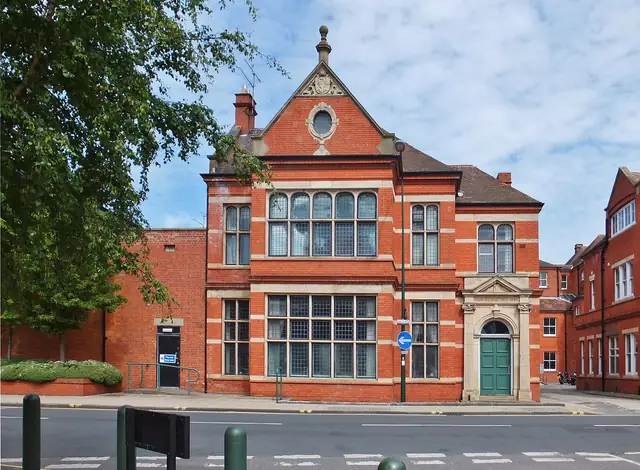
Champney Treasure House and Beverley Art Gallery, Beverley
Photo: Bernard Sharp, CC BY-SA 2.0, via Wikimedia Commons
Champney Treasure House and Beverley Art Gallery
Gallery · Beverley, East Riding of Yorkshire · allow an hour or two · free to enter
- Accessible toilet
- Café
- Step-free
- Blue Badge parking
Millennium Gallery
Gallery · Sheffield, South Yorkshire · allow an hour or two · free to enter
- Accessible toilet
- Step-free
- Blue Badge parking
- Wheelchairs to borrow
The Hepworth Wakefield
Gallery · Wakefield, West Yorkshire · allow an hour or two · free to enter
- Accessible toilet
- Café
- Step-free
Beverley Minster
Cathedral · Beverley, East Riding of Yorkshire · allow an hour or two · free to enter
- Accessible toilet
- Step-free
- Blue Badge parking
Dales Countryside Museum
Museum · Hawes, North Yorkshire · allow an hour or two
- Accessible toilet
- Step-free
- Blue Badge parking
Indoor places by county
North West
8 of 22 indoor places confirm a toilet and a café

IWM North, Trafford Park
Photo: Sayom, CC BY-SA 3.0, via Wikimedia Commons
IWM North
Museum · Trafford Park, Manchester · allow an hour or two · free to enter
- Accessible toilet
- Café
- Step-free
- Blue Badge parking
- Wheelchairs to borrow
Tullie House Museum and Art Gallery
Museum · Carlisle, Cumbria · allow half a day
- Accessible toilet
- Café
- Step-free
- Blue Badge parking
- Wheelchairs to borrow
Keswick Museum
Museum · Keswick, Cumbria · allow an hour or two
- Accessible toilet
- Café
- Step-free
- Blue Badge parking
Blackburn Cathedral
Cathedral · Blackburn, Blackburn with Darwen · allow an hour or two · free to enter
- Accessible toilet
- Café
- Step-free
Catalyst Science Discovery Centre
Museum · Widnes, Halton · allow an hour or two
- Accessible toilet
- Café
- Step-free
Indoor places by county
North East
5 of 19 indoor places confirm a toilet and a café
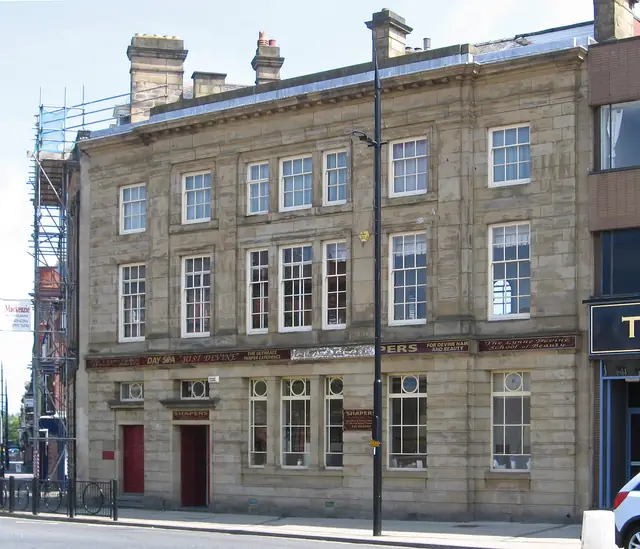
Hartlepool Art Gallery, Hartlepool
Photo: Dave Bevis, CC BY-SA 2.0, via Wikimedia Commons
Hartlepool Art Gallery
Gallery · Hartlepool, Hartlepool · allow an hour or two · free to enter
- Accessible toilet
- Café
- Step-free
- Blue Badge parking
- Wheelchairs to borrow
The Bowes Museum
Museum · Barnard Castle, Durham · allow half a day
- Accessible toilet
- Café
- Step-free
- Blue Badge parking
- Wheelchairs to borrow
Laing Art Gallery
Gallery · Newcastle upon Tyne, Tyne and Wear · allow an hour or two · free to enter
- Accessible toilet
- Café
- Step-free
- Wheelchairs to borrow
Royal Navy Museums: Hartlepool
Museum · Hartlepool Marina, Hartlepool · allow half a day
- Accessible toilet
- Café
- Partly step-free
- Blue Badge parking
Dorman Museum
Museum · Middlesbrough, Middlesbrough · allow an hour or two · free to enter
- Accessible toilet
- Step-free
Indoor places by county
Wales
8 of 37 indoor places confirm a toilet and a café

National Museum Cardiff, Cardiff
Photo: Ham II, CC BY-SA 3.0, via Wikimedia Commons
National Museum Cardiff
Museum · Cardiff, Cardiff · allow half a day · free to enter
- Accessible toilet
- Café
- Step-free
- Blue Badge parking
- Wheelchairs to borrow
Plas Glyn-y-Weddw
Gallery · Pwllheli, Gwynedd · allow an hour or two · free to enter
- Accessible toilet
- Café
- Step-free
- Blue Badge parking
Ruthin Craft Centre
Gallery · Ruthin, Denbighshire · allow an hour or two · free to enter
- Accessible toilet
- Café
- Step-free
- Blue Badge parking
National Library of Wales
Museum · Aberystwyth, Ceredigion · allow an hour or two · free to enter
- Accessible toilet
- Café
- Partly step-free
- Blue Badge parking
- Wheelchairs to borrow
Oriel y Parc
Gallery · St Davids, Pembrokeshire · allow an hour or two · free to enter
- Accessible toilet
- Café
- Blue Badge parking
- Wheelchairs to borrow
Indoor places by county
Scotland
15 of 80 indoor places confirm a toilet and a café
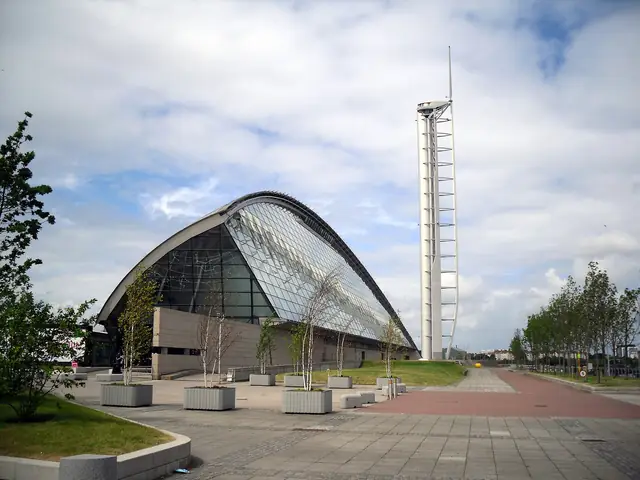
Glasgow Science Centre, Pacific Quay
Photo: Stevie Spiers, CC BY-SA 2.0, via Wikimedia Commons
Glasgow Science Centre
Museum · Pacific Quay, Glasgow · allow half a day
- Accessible toilet
- Café
- Step-free
- Blue Badge parking
- Wheelchairs to borrow
National Museum of Flight
Museum · East Fortune, East Lothian · allow half a day
- Accessible toilet
- Café
- Step-free
- Blue Badge parking
- Wheelchairs to borrow
Gracefield Arts Centre
Gallery · Dumfries, Dumfries and Galloway · allow an hour or two · free to enter
- Accessible toilet
- Café
- Partly step-free
- Blue Badge parking
- Wheelchairs to borrow
Kirkcaldy Galleries
Gallery · Kirkcaldy, Fife · allow an hour or two · free to enter
- Accessible toilet
- Café
- Partly step-free
- Blue Badge parking
- Wheelchairs to borrow
Gordon Highlanders Museum
Museum · Aberdeen west end, Aberdeen · allow an hour or two
- Accessible toilet
- Café
- Partly step-free
- Wheelchairs to borrow
Indoor places by county
- Aberdeen5
- Aberdeenshire2
- Angus4
- Argyll and Bute3
- Dumfries and Galloway5
- Dundee3
- East Ayrshire2
- East Dunbartonshire2
- East Lothian3
- Edinburgh2
- Eilean Siar4
- Falkirk1
- Fife3
- Glasgow8
- Highlands3
- Midlothian2
- Moray1
- North Lanarkshire2
- Orkney Islands4
- Perthshire and Kinross3
- Renfrewshire2
- Scottish Borders2
- Shetland Islands3
- South Ayrshire2
- South Lanarkshire4
- Stirling2
- West Dunbartonshire1
- West Lothian2
Northern Ireland
5 of 33 indoor places confirm a toilet and a café
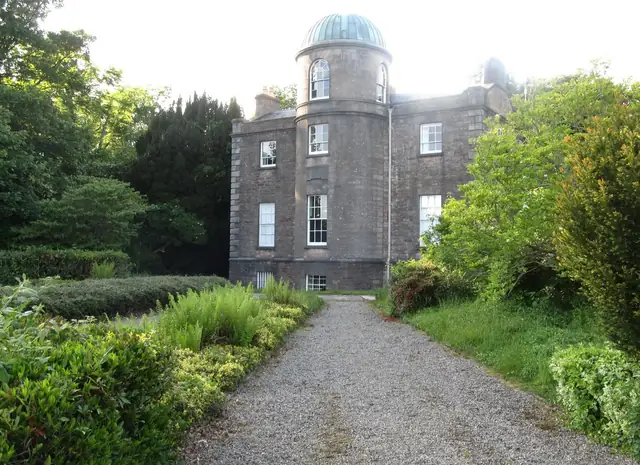
Armagh Observatory and Planetarium, Armagh
Photo: Eric Jones, CC BY-SA 2.0, via Wikimedia Commons
Armagh Observatory and Planetarium
Museum · Armagh, Armagh · allow an hour or two
- Accessible toilet
- Café
- Step-free
- Wheelchairs to borrow
Seamus Heaney HomePlace
Museum · Bellaghy, Magherafelt · allow half a day
- Accessible toilet
- Step-free
- Blue Badge parking
- Wheelchairs to borrow
Armagh County Museum
Museum · Armagh, Armagh · allow an hour or two · free to enter
- Accessible toilet
- Step-free
- Blue Badge parking
Ballymoney Museum
Museum · Ballymoney, Ballymoney · allow an hour or two · free to enter
- Accessible toilet
- Step-free
- Blue Badge parking
Crumlin Road Gaol
Museum · Crumlin Road, Belfast · allow an hour or two
- Accessible toilet
- Café
- Blue Badge parking
Indoor places by county
Museums, galleries and cathedrals from our research into places to visit, September 2026. Access facts are shown only where the place’s own access page or its AccessAble guide states them. “Free to enter” is from the place’s own website at that date. Charges, opening times and lifts change, so check with the place before you travel. The number beside each county is how many indoor places its county page lists.
Each county name opens that county's page of places to visit, where every indoor place is listed with a short description of what it is like for an older person, how long to allow and what it confirms about access. If your parent lives near a county border, look at the county next door as well. A small town museum twenty minutes away can be a better afternoon than a national collection an hour's drive off, because the journey takes less out of your parent and you can leave whenever they are ready.
Museums, galleries, cathedrals
What museums, galleries and cathedrals confirm about access
The three kinds of indoor place are different to visit. This table shows what the ones in our research state in writing about the facilities an older visitor needs most.
| Checked places | Accessible toilet | Café | Step-free | Free to enter | |
|---|---|---|---|---|---|
| Museums | 307 | 144 of 307 (47%) | 108 of 307 (35%) | 91 of 307 (30%) | 151 of 307 (49%) |
| Galleries | 79 | 44 of 79 (56%) | 38 of 79 (48%) | 32 of 79 (41%) | 58 of 79 (73%) |
| Cathedrals | 69 | 24 of 69 (35%) | 14 of 69 (20%) | 9 of 69 (13%) | 50 of 69 (72%) |
Museums
- Checked places
- 307
- Accessible toilet
- 144 of 307 (47%)
- Café
- 108 of 307 (35%)
- Step-free
- 91 of 307 (30%)
- Free to enter
- 151 of 307 (49%)
Galleries
- Checked places
- 79
- Accessible toilet
- 44 of 79 (56%)
- Café
- 38 of 79 (48%)
- Step-free
- 32 of 79 (41%)
- Free to enter
- 58 of 79 (73%)
Cathedrals
- Checked places
- 69
- Accessible toilet
- 24 of 69 (35%)
- Café
- 14 of 69 (20%)
- Step-free
- 9 of 69 (13%)
- Free to enter
- 50 of 69 (72%)
PrimeCarers research into places to visit across the UK, September 2026. A fact is counted only where the place's own access page or its AccessAble guide states it, so a place that publishes nothing is counted as not confirming it, not as lacking it.
The figures are what each place publishes, not what it has. A small museum run by volunteers may have a perfectly good accessible toilet and never have written an access page. So read a low figure as a reason to ring and ask, not as a reason to cross a place off. A place that publishes full access information is a sensible choice for a first trip, because you know what you are walking into.
MuseumsSection titled Museums
Museums are the largest group in our research and the most varied, from national collections to a single room above a town library. A local museum can mean a great deal to an older person: old photographs of their own town, the shop signs they remember, the trains or the mill or the pit their father worked in. Looking at them together can start a conversation without asking your parent to remember anything on demand.
About half the museums we checked were free to enter when we researched them. In England, the national museums sponsored by the government are free for everyone, and the government confirmed in September 2026 that this will continue. The guide to free days out for older people lists free places of every kind, region by region.
GalleriesSection titled Galleries
A gallery can be calmer than a museum, with less to read and less noise. Where there is a bench in the middle of the room, your parent can sit and look at one picture for as long as they like. In our research they were more likely than museums to confirm an accessible toilet, a café and step-free access, and most of them suggest a visit of an hour or two. A gallery suits somebody who tires quickly, or who finds crowds and lots of information difficult.
CathedralsSection titled Cathedrals
Most of the cathedrals in our research were free to enter, though some ask for a donation. They are large and quiet, with plenty of seating, and your parent may find one peaceful whether or not they have a faith. They confirm the fewest facilities in writing, and the building itself can be cold in winter even when it is dry, so take an extra layer. Check whether a service or a concert is on, which may be the best time to go or the worst, depending on your parent.
What to ask first
What to find out before you go
Six questions, asked by phone or answered from the place's access page, will tell you whether a building will work for your parent. Most places with an access page answer some of them; ring for the rest.
Where is the accessible toilet?
Which floor, and how far from the entrance
Does the lift reach every floor?
Older buildings may have gaps
Are there seats in the galleries?
Somewhere to rest every few minutes
What is the café like?
Somewhere to sit, eat and use the toilet
How far is it from the car to the door?
Blue Badge bays and drop-off points
When is it quietest?
Weekdays, mornings, outside school holidays
Start with the place's own website. Look for a page called access, accessibility or plan your visit. Some places also have an AccessAble guide, which describes the route from the car park to the door and inside the building, with photographs. If the website does not answer your questions, ring the front desk. Ringing ahead also means somebody knows you are coming if you need help on the day.
Knowing where the toilet is can decide whether a day out works, so plan around it. Alzheimer's Society suggests finding out where accessible toilets are before you go out, carrying spare clothing and pads, and taking a bag for anything soiled. The same page explains the Radar key, sold by Disability Rights UK, which opens locked accessible toilets, and the Just Can't Wait card from the Bladder and Bowel Community, which lets your parent show staff that they need a toilet urgently. If your parent needs a hoist or a changing bench, the Changing Places map shows the toilets that have one. Our guide to managing incontinence has more on the practical side.
If your parent has a condition that others cannot see, such as dementia, hearing loss or a bladder problem, they may want to wear the Hidden Disabilities Sunflower. It is a symbol some people wear to show discreetly that they may need help or a little more time. Ask the place whether its staff recognise it.
If your parent might need a wheelchair for part of the visit, ask whether the place lends them and whether one can be kept for you. The guide to walking aids and how to choose explains the options.
If your parent has dementia
Indoor days out when your parent has dementia
An indoor place can work well for somebody living with dementia, because it is sheltered, predictable and close to a toilet. It can also be noisy, echoing and confusing. Choosing the right building and the right time makes the difference.
The NHS lists going out among the activities that help people living with dementia, and notes that many communities and organisations are working to become dementia-friendly, with dementia-friendly cinema screenings among its examples. Some museums and galleries run sessions for people with dementia and their families. We do not list them here, because they change and our research did not record them. Ask the place, or look at its own events page, and go to one only if the place's own information describes it.
What tends to help
- A small museum or a quiet gallery rather than a large, busy one
- A place connected with your parent's own life: their town, their trade, their war, their football club
- Going on a weekday morning, if that is when your parent is at their best
- Finding a seat near the exit of each room so you can leave without fuss
- Telling staff on arrival if your parent may need help or more time
- Leaving while the visit is still going well
What tends to make it harder
- School holidays and rainy weekends, when everybody else has the same idea
- Rooms with loud audio, flashing screens or dark, crowded displays
- Mirrors, shiny floors and long echoing corridors if they unsettle your parent
- Trying to see everything because you have paid to get in
- Late afternoon if your parent becomes more confused as the day goes on
- Leaving the toilet until they ask for it
Some people living with dementia become more restless or confused later in the day, which is sometimes called sundowning. If your parent is affected, plan the visit for the morning and be home by early afternoon. In winter that also means getting back before dark, which helps with the journey.
A familiar place can be easier than a new one. If your parent always went to the same museum or cathedral, go back there, even if they have seen it many times. Objects and pictures from the past can prompt memories and conversation without any pressure, so let your parent lead and do not test them on what they remember. For more ideas, there is a guide to activities for people with dementia, and our dementia care pages explain how care at home can change as the condition progresses.
Planning a wet day
Planning an indoor day out around the weather and your parent's energy
On a wet or cold day, the journey and the coats take more out of an older person than the visit itself. Planning the day in this order keeps the effort where it matters.
- 1
Choose one place close to home
The day beforePick somewhere within half an hour if you can, so a wet journey does not use up your parent's energy before you arrive. Look at the place's access page and the county page for it, and decide which one or two rooms you most want to see. - 2
Set off after the morning routine
Late morningLeave once your parent has had breakfast, taken any medicines and used the toilet. Pack a spare set of clothes, any pads they use, a bottle of water, a cardigan and something to put a wet coat in. - 3
Find the toilet and the café first
On arrivalBefore you look at anything, find out where the toilet and the café are, and use the toilet. - 4
Look round one floor, then sit down
About an hourStay on one floor, stop at the benches and let your parent set the pace. If they want to stay in one room, that is a good visit. - 5
Lunch, then decide
MiddayHave lunch or a hot drink in the café and see how your parent feels. If they are bright, look at one more room. If they are tired, go home and count it as a good day. - 6
Home before they are worn out
Early afternoonGetting home before your parent is exhausted, and before dark in winter, makes the next trip easier.
Choose the day by your parent's energy first and the weather second. When a good day comes, it helps to have one or two places already checked so you can go without planning from scratch.
Cold matters as much as rain. A long wait at a bus stop or a walk across a wet car park can leave your parent chilled for the rest of the day. Dress your parent in layers they can take off once inside, because museums can be warm, and keep a dry layer in the car for the journey home. Our guide to surviving winter has more on keeping an older relative warm and well through the colder months.
If you drive, a Blue Badge lets your parent use the bays closest to the entrance, which matters more in the rain than the size of the car park. Your parent can apply through their council, or you can apply for them, on the gov.uk Blue Badge page. Ask the place whether you can drop your parent at the door first and park afterwards. If money is tight because your parent needs help with daily life, check whether they could claim Attendance Allowance, which is not means-tested.
An indoor visit does not have to be a big trip. A morning in the local library, the town museum or the cathedral café can give a housebound parent a change of scene in the middle of a long, grey week. The activities companions do with clients page has more ideas for days when even a short trip is too much, and the guide to accessible gardens is there for when the weather turns.
A carer for the day
If your parent needs a carer with them for the day
Some older people need somebody with them on a day out: to push a wheelchair, help with the toilet, make sure they eat and drink, or to be there when you cannot take the day off work. A carer can come for a single day without any ongoing care being set up.
A carer can collect your parent from home, go round the museum or gallery with them, have lunch in the café and bring them home, or come along with the family so somebody is with your parent while you park or queue. The entry may be free, but the carer is paid for their time. A day out with a carer is one fixed price for the whole day, and you know that price before anything is booked. It depends on the day: a morning at the town museum ten minutes from home is not the same as a full day at a city gallery with a long drive each way.
Tickets, parking and lunch on the day are separate from the carer's price, so agree before the day who pays for the carer's entry, parking and meal. Anything the carer pays for your parent is refunded at cost against receipts, as long as you agreed it beforehand, and mileage and travel time are only payable if you agree them with the carer in advance and in writing. Asking costs nothing, and you are under no obligation.
If your parent already has a companion who visits, ask them first, because a familiar face makes an outing easier. Can carers take you out? explains what a carer can and cannot do on a trip. If the day depends on a car, look for a carer who drives: a carer's profile shows whether they do.
To find a carer for the day, tell us the date, where you are going and what help your parent needs. The day goes to carers who can get there, and you can read their profiles and message the ones you like.
A carer for the day
Tell us about the day and what you would like them to do, and we will set your account up as you go.
Before a carer appears on PrimeCarers, their identity and right to work are checked, they hold an enhanced DBS check (a PVG in Scotland or an Access NI check in Northern Ireland) issued within the last two years, and they are interviewed online. We do not check qualifications, training or references. Reviews and references appear on a carer's profile unverified, so ask the carer about their experience with older people, and with dementia if that applies. A day booked through PrimeCarers is covered by the carer insurance policy PrimeCarers arranges, within its terms, and work arranged outside the platform is not. PrimeCarers is an introductory service: carers are self-employed, and you agree the day directly with the carer you choose.
Questions
Questions families ask about indoor days out
A museum, a gallery or a cathedral is the easiest choice, because the whole visit is under one roof. Look for one that confirms an accessible toilet and a café, and that is close enough to home that the journey does not tire your parent out. Choose your parent's region on this page to see indoor places near them, with what each confirms about access.
A small, quiet museum or gallery on a weekday morning can work well, especially one connected with your parent's own life or town. Keep the visit to an hour or two, find the toilet first and leave while it is going well. Some museums, galleries and cinemas run sessions for people with dementia; ask the place. At home, a list of activities for people with dementia has more ideas.
Many museums are free for everyone, whatever their age. In England the national museums sponsored by the government are free to enter. About half the museums in our research were free when we checked them. Some museums that charge offer a lower price for older visitors, so check the museum's own website. Special exhibitions may be charged even where the museum is free.
Look for an access or plan-your-visit page on the museum's website, or an AccessAble guide. If neither says, ring the front desk and ask where the toilet is, which floor it is on and whether it is ever locked. For a hoist or a changing bench, the Changing Places map shows the toilets that have one.
Most indoor places in our research suggest an hour or two. With the journey and lunch in the café, that is about half a day, which is plenty for somebody who tires easily. Plan to be home before your parent is worn out, and before dark in winter.
A carer for a day out is one fixed price for the whole day, whatever the place costs to get into. Tell us the date, where you are going and what help your parent needs, and you will know the price before anything is booked. Asking costs nothing. Tickets, parking and lunch are separate: agree beforehand who pays for the carer's entry, parking and meal. Anything the carer pays for your parent is refunded at cost against receipts, as long as you agreed it beforehand, and mileage is only payable if you agreed it with the carer in advance and in writing.